International Workers’ Memorial Day 2026
Every year on International Workers’ Memorial Day (28 April), people across the UK and around the world pause to remember those who have lost their lives because of work and to renew the commitment to making workplaces safe for everyone.
In 2026, that reflection feels as important as ever.
The reality behind the numbers
The latest figures from the Health and Safety Executive (HSE) tell a story of both progress and concern.
In 2024–2025:
- 124 workers lost their lives in workplace incidents
- This is 14 fewer deaths than the previous year (138) – a ~10% reduction
On the surface, this is encouraging. Fewer families are facing the devastating knock on the door that never should come. It suggests that long-term efforts in regulation, training, and safety culture are having an effect.
But that’s only part of the picture.
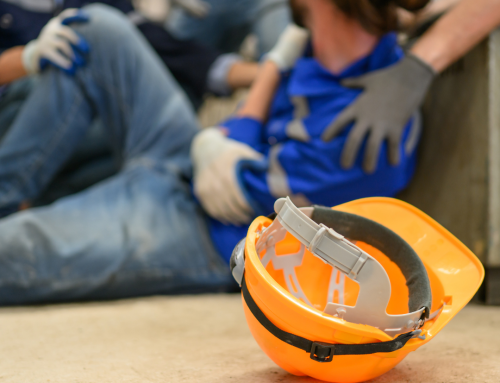
A worrying rise in injuries
While fatalities have decreased, non-fatal injuries are rising:
- ~680,000 workers were injured in 2024–2025
- Up from ~613,000 the year before
- An increase of around 11%
Additionally:
- 59,219 serious injuries were reported under RIDDOR (Reporting of Injuries, Diseases and Dangerous Occurrences Regulations)
These are not minor incidents. Many involve life-altering injuries, long-term health impacts, or significant time away from work.
What does this mean?
Fewer deaths, but more injuries raises important questions:
- Are we improving at preventing the worst-case scenarios, but failing to tackle everyday risks?
- Is pressure on productivity, staffing, or cost-cutting leading to more frequent accidents?
- Are certain industries or roles being left behind in safety improvements?
It’s a reminder that safety isn’t just about avoiding fatalities it’s about protecting quality of life, every day, for every worker.
The human impact
Statistics can feel abstract, but each number represents a person:
- A colleague who didn’t come home
- A parent unable to return to work
- A life permanently changed in a moment
International Workers’ Memorial Day exists to ensure those people are not reduced to mere statistics.
A call to action for 2026
This year’s message is clear:
“Remember the dead. Fight for the living.”
For organisations, that means:
- Moving beyond compliance to genuine safety culture – Making it “safe” to be safe
- Addressing high potential near misses and minor incidents before there is a more serious consequence
- Investing in training, supervision, and risk management
- Listening to workers on the ground—they see the risks first
- Asking our people what needs to change – empowering them to make change
For individuals, it means:
- Speaking up about anything that concerns them
- Taking responsibility for keeping themselves safe & well
- Looking out for speaking up to colleagues
Looking forward
The drop in fatalities shows that progress is possible. But the rise in injuries is a warning sign we can’t ignore.
International Workers’ Memorial Day 2026 is not just about reflection it’s about resetting priorities, in line with our values.
Because ultimately, success isn’t measured by fewer deaths alone.
It’s measured by ensuring that everyone goes home safe and well, every single day.
(HSE, 2026)